
Preventative care · 07
Bite Diagnosis & Trauma Prevention.
How your teeth meet — your bite — is one of the most under-examined parts of dental health. Diagnosing it early lets us protect teeth, gums, and dental work from the slow damage of unbalanced force.
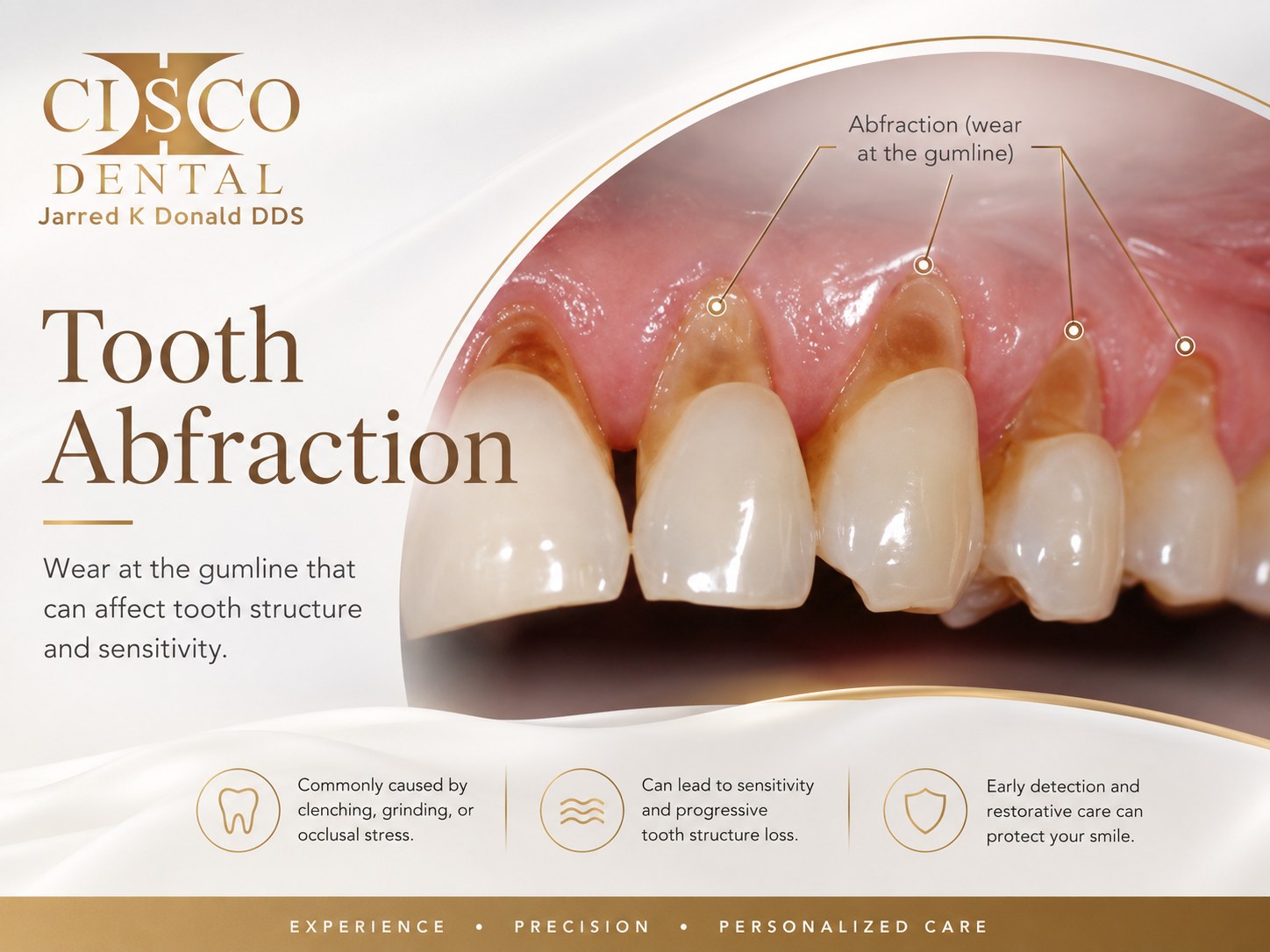
Most prevention is about controlling bacteria. Bite diagnosis is about controlling force. Teeth are built to take enormous load — but only when that load is shared evenly and at the right times. When the bite is off, or when grinding and clenching add force the system was never meant to absorb, the damage shows up gradually: flattened and chipped edges, sensitive notches at the gumline, cracked teeth and failed fillings, sore jaw muscles, and accelerated bone loss where the gums are already inflamed. A bite exam at each visit catches these patterns early, while they are still cheap and simple to manage.
Two kinds of guard
One protects your truck. The other protects you.
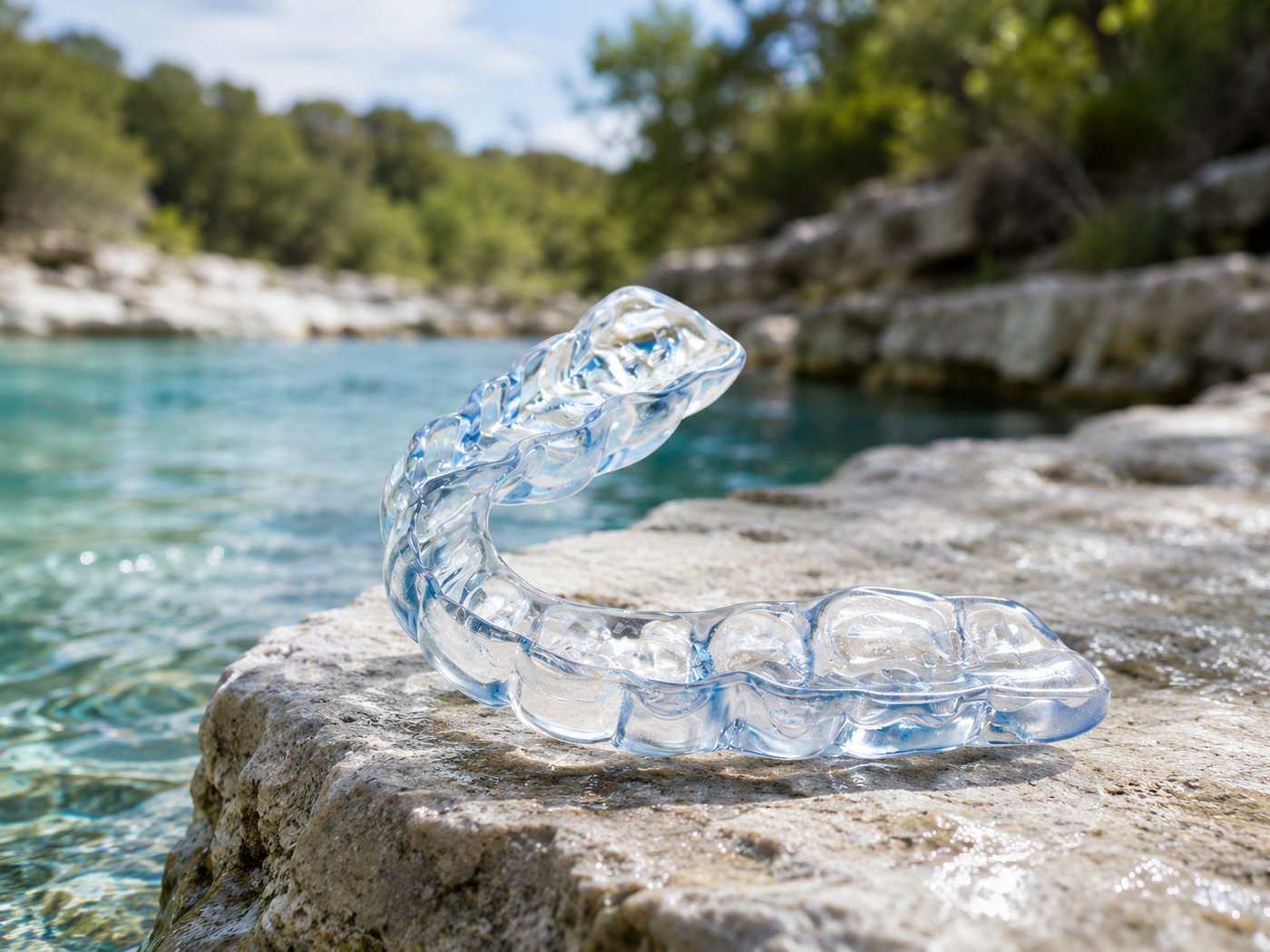

Both protect what matters by taking the impact first. One rides out front on the back roads. The other protects your teeth and dental work all day, every day — and especially at night, when most of the damage is done.
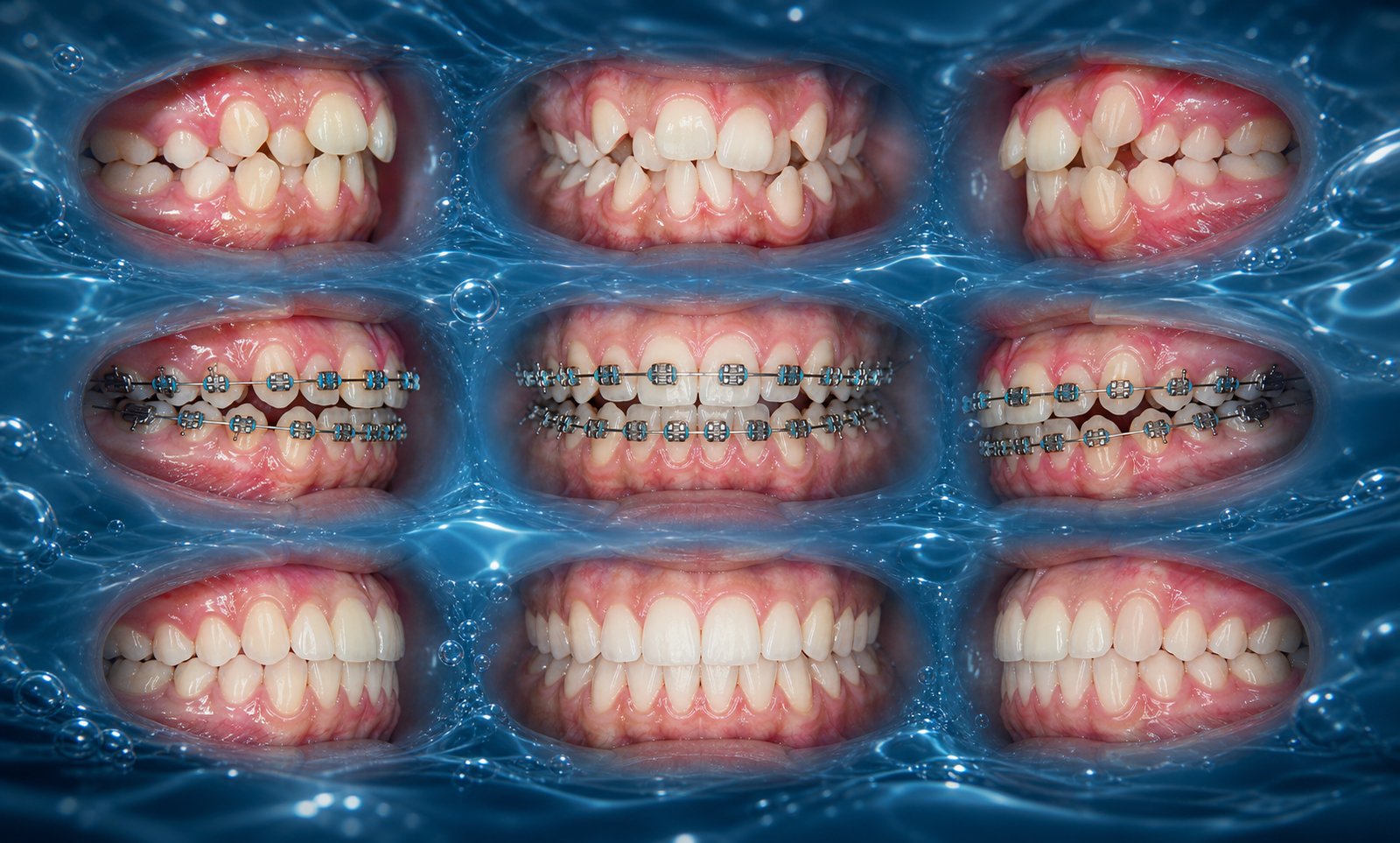
Orthodontic evaluation
A bite exam starts by looking at how the upper and lower teeth come together — crowding, spacing, and the way the front and back teeth relate. Where alignment or a deep, open, or crossed bite is driving uneven wear or strain, orthodontic treatment with traditional braces or clear aligners may be part of the long-term answer. The goal is not just a straighter smile — it is a bite that distributes force the way it should.
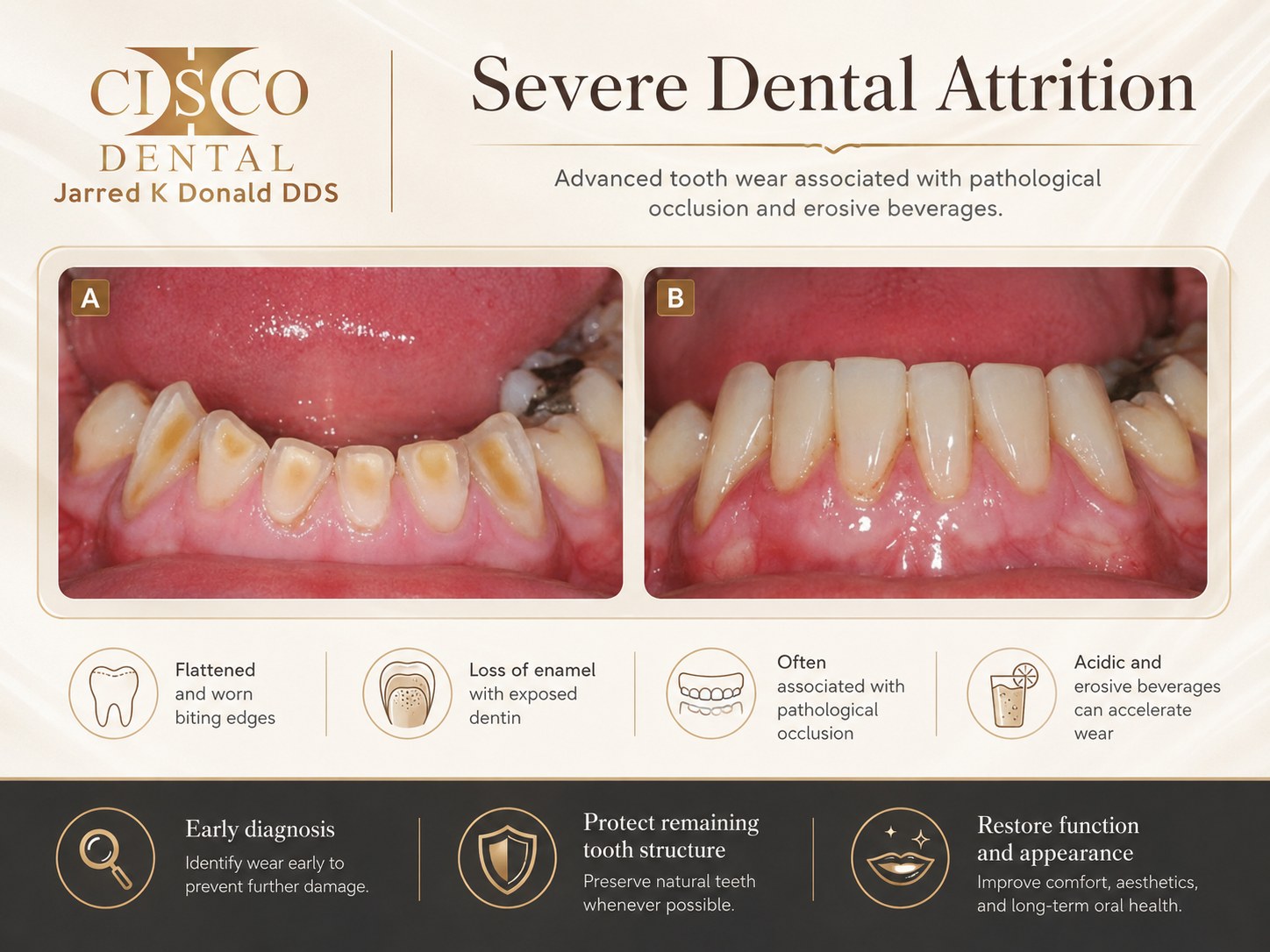
Bruxism — grinding and clenching
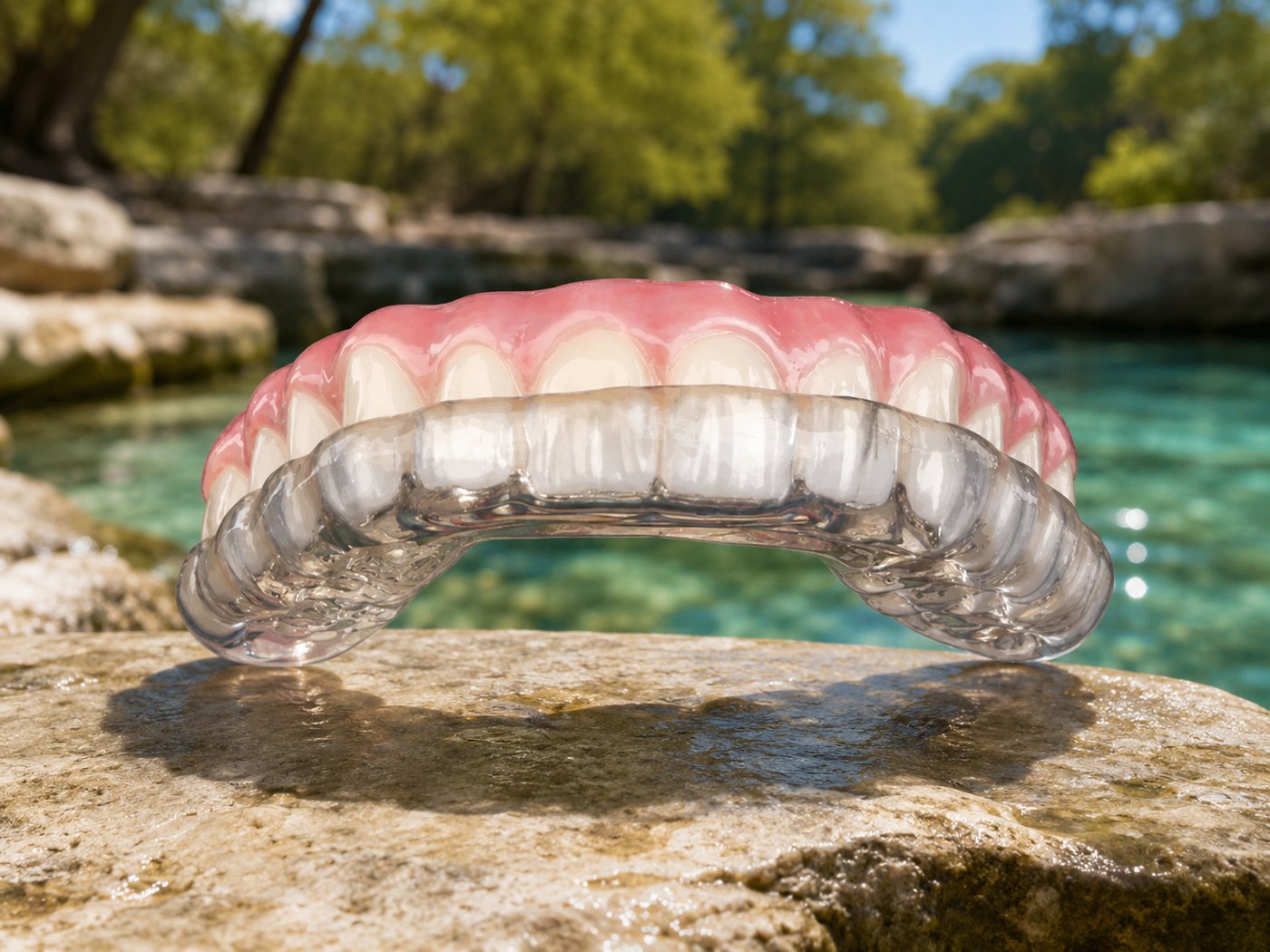
Many people grind or clench their teeth, often during sleep and often without knowing it. Those parafunctional forces are far higher than normal chewing, and over time they flatten enamel, chip edges, crack teeth, loosen dental work, and tire the jaw muscles. A custom occlusal (bite) guard is the standard, conservative way to absorb that force and spread it harmlessly — protecting both natural teeth and any crowns, veneers, or fillings.
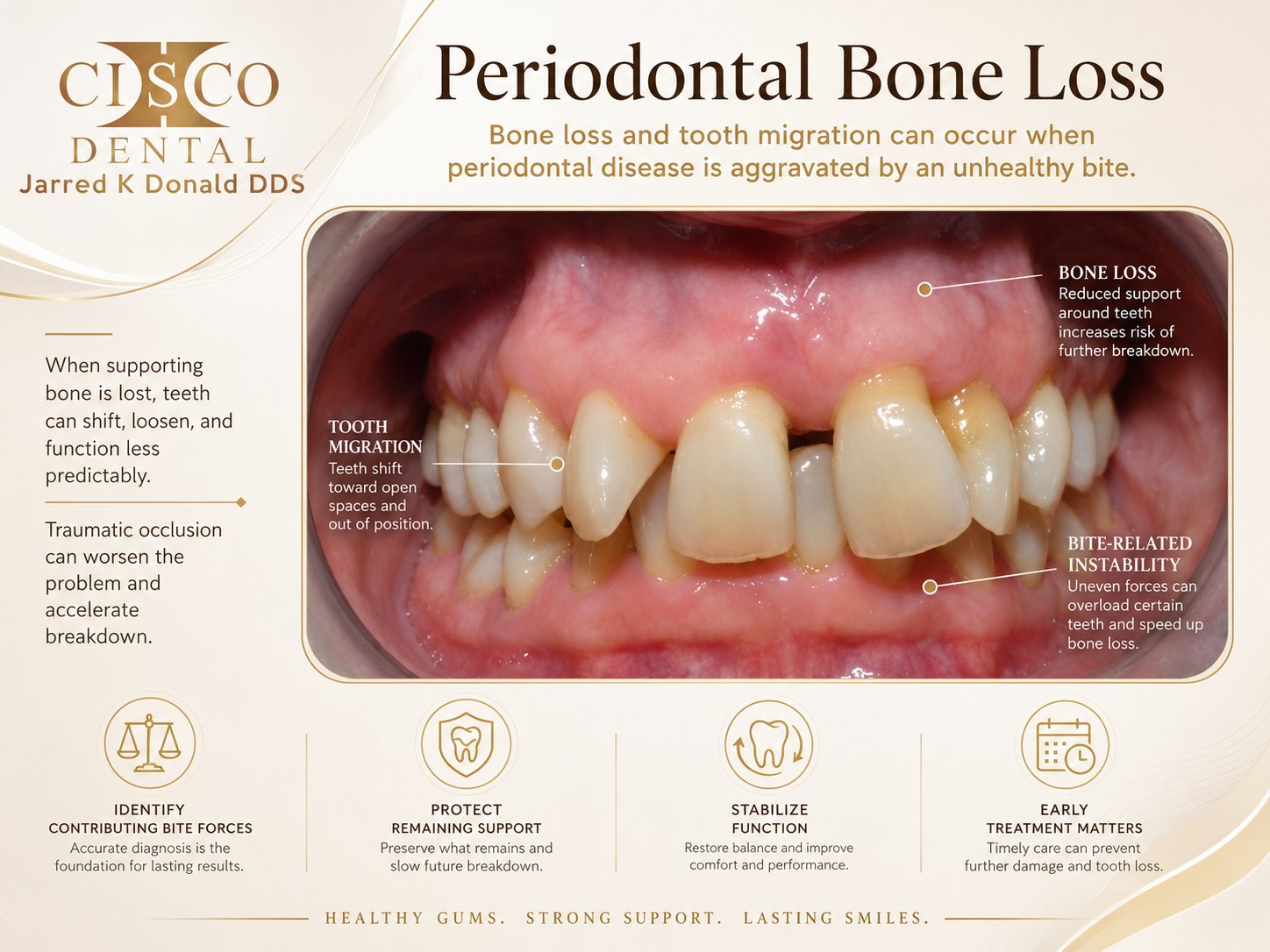
The periodontal effect of a bad bite
A heavy or unbalanced bite does not, by itself, cause gum disease — periodontitis is driven by bacterial plaque. But where gum inflammation is already present, excessive or poorly directed force can act as a co-factor that speeds the loss of the bone supporting a tooth. That is why diagnosing and balancing the bite is part of protecting the foundation, not just the crown.
Notches at the gumline (cervical lesions)
Wedge-shaped notches at the gumline — non-carious cervical lesions — are multifactorial. Toothbrush abrasion and dietary or stomach acid (erosion) both contribute, and a well-discussed theory (abfraction) holds that flexing from heavy bite forces can add to the loss. Whatever the mix, reducing parafunctional load with a guard, easing an unbalanced bite, and sealing or restoring sensitive notches all help limit further damage.
Appliance therapy
Most of this is managed with simple, removable appliances — a custom night guard for grinding, and bite adjustments where indicated — rather than anything invasive. The first step is always the same: a careful look at how your teeth actually meet.
Educational content only, and not a substitute for in-office clinical evaluation. The relative contribution of occlusal force to cervical lesions and periodontal breakdown is individual and is assessed case by case.