
Complete dentistry
Traditional Braces.
Traditional braces use fixed brackets and archwires to move teeth into a healthier, better-aligned position — planned around your actual dental fitness, the same way every treatment here is.
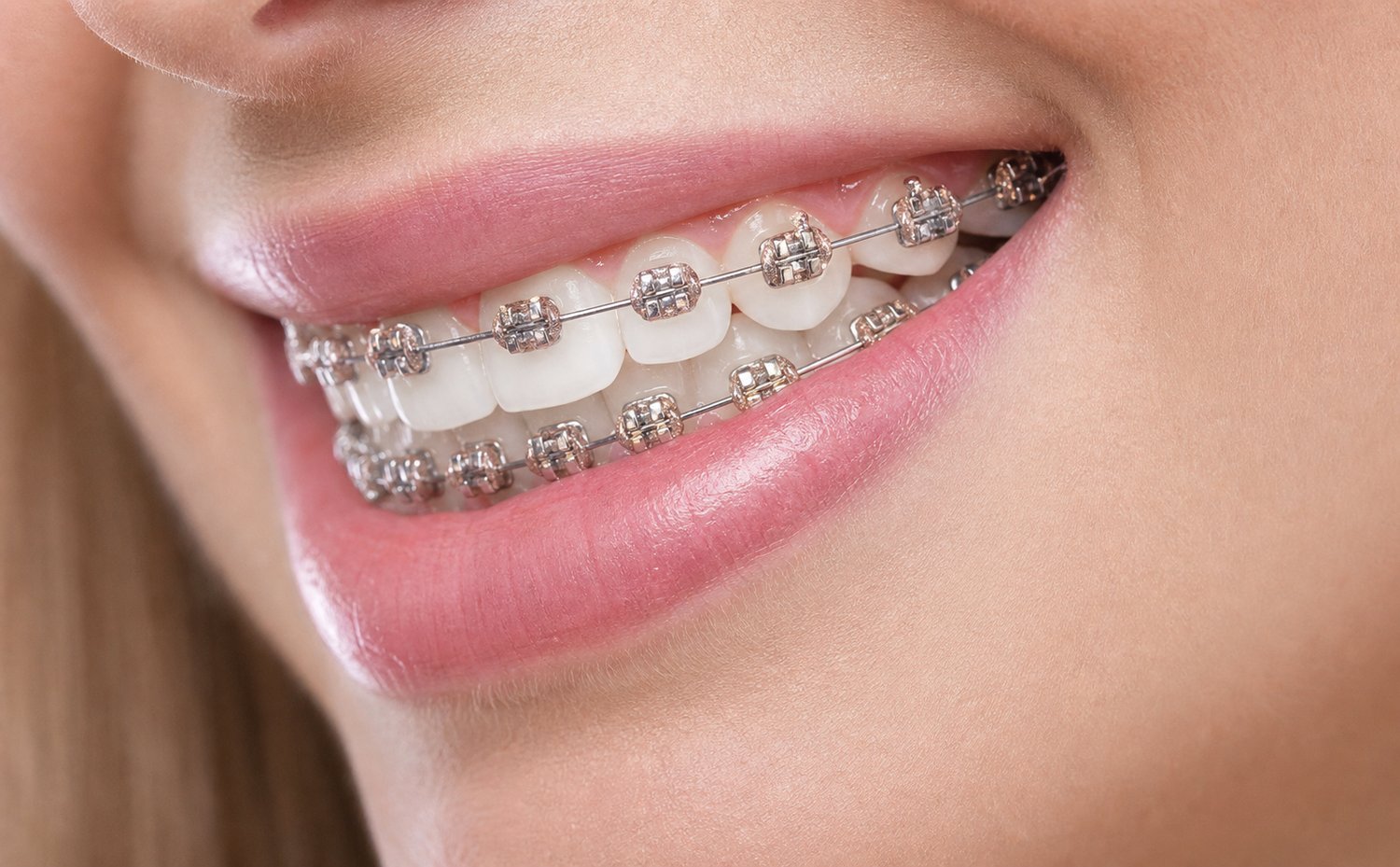
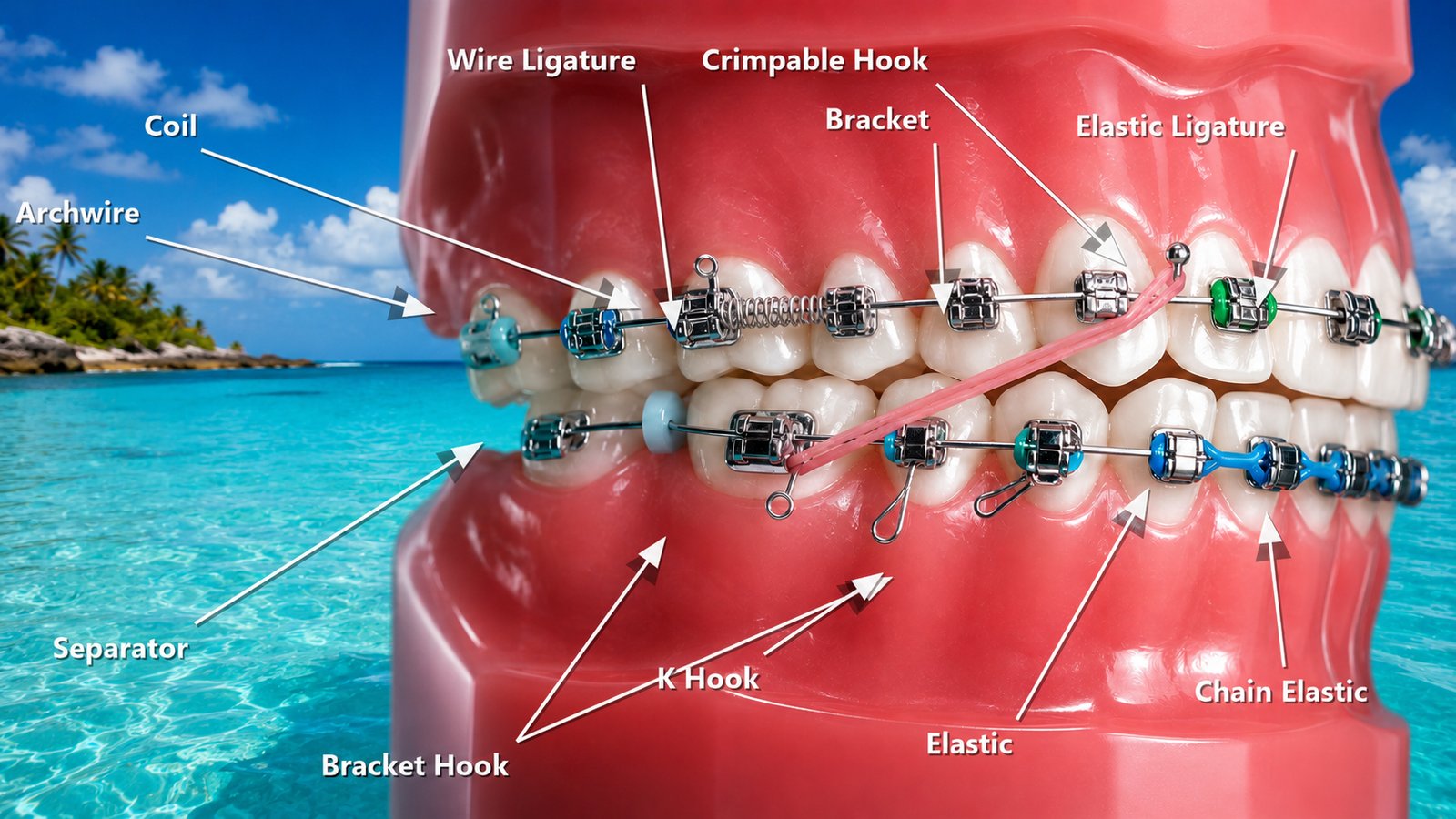
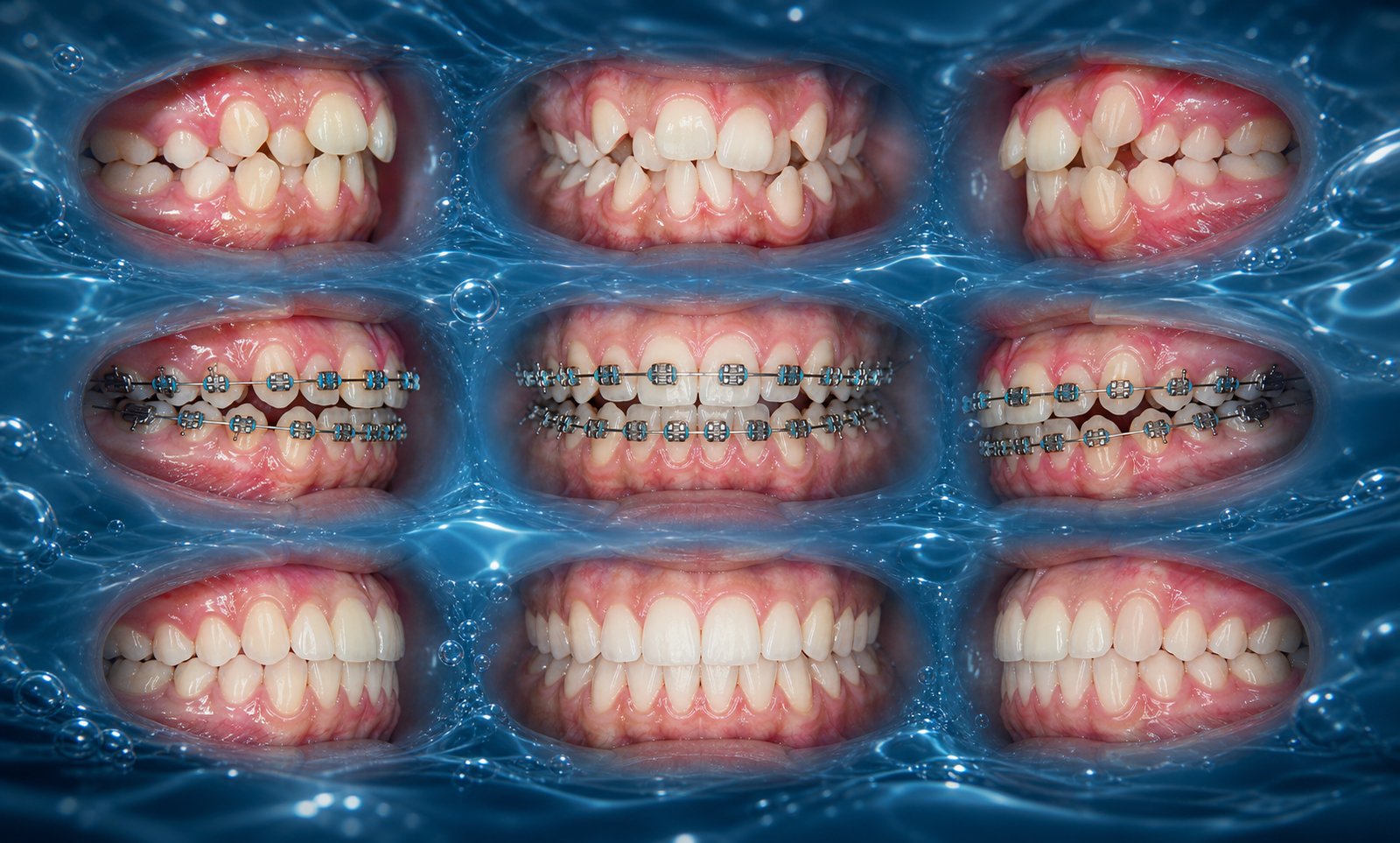
Traditional braces are fixed orthodontic appliances: small brackets bonded to each tooth, connected by an archwire that is adjusted over time to guide teeth into alignment and correct the bite. Because they are fixed and fully controlled by the clinician, they remain a dependable option for comprehensive alignment and more complex bite cases — where clear aligners may be better suited to milder ones. Brackets are available in metal or tooth-colored ceramic.
As with the rest of the practice, orthodontic treatment is planned prevention-first: active decay, gum inflammation, or other biology is addressed before or alongside tooth movement, because alignment lasts longest on a healthy foundation. The right approach — traditional braces, clear aligners, or referral when appropriate — is decided together at the consult, with clear options and no pressure.