
Dental Fitness Blog · July 4, 2026
Your First Visit Is a Conversation
What to expect when you come in — and why we start by listening.
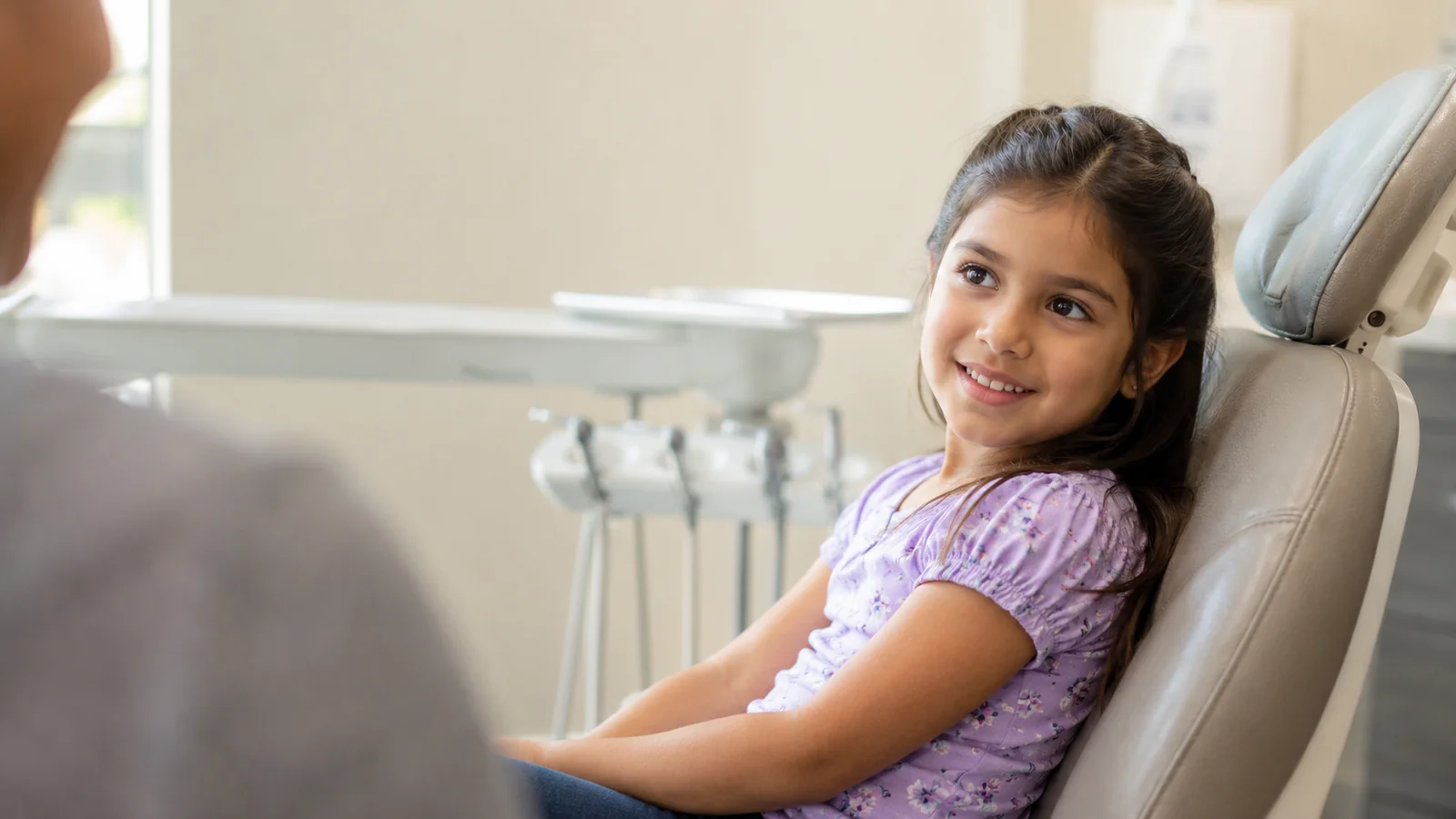
What to expect when you come in — and why we start by listening.
A lot of people put off the dentist because they expect one of two things: a lecture about everything they've done wrong, or a long list of treatment they didn't ask for. A Dental Fitness first visit is neither. It's a conversation — about your mouth, your habits, your history, and what you actually want from your teeth over the next ten and twenty years.
We start by listening, because the most important information in the room is yours.
We look at the system, not just the tooth
Anyone can point at a broken tooth. The more useful question is why it broke — and whether the same forces are quietly setting up the next problem. So a first visit looks past the immediate to the system that produces your results: what you drink all day, how often sugar and acid reach your teeth, your fluoride exposure, your saliva, your gum health, your medical conditions and medications, and how your home routine actually fits your life.
This is what dentistry calls caries-risk thinking, and it's built into modern frameworks for managing decay along its whole continuum rather than only filling holes after they appear [1]. The point is to understand your individual risk so we can predict where you're headed — and change it early.
Prevention is predictable, and we'll show you the why
We believe most dental disease is preventable and predictable, so our job isn't to surprise you with bad news — it's to make your risks visible and your options clear [2]. If we find an early problem, you'll hear what's driving it and what the realistic choices are, including doing less when doing less is right. If your enamel shows the earliest signs of trouble, that's often a chance to reverse course rather than restore.
You should leave a first visit understanding three things: where you stand, what's driving it, and what the plan is. If you don't, we haven't finished the conversation.
Quick wins (how to prepare)
- Bring a current list of your medications and medical conditions — both affect your mouth.
- Be ready to describe what you typically drink during the day. It's one of the most useful things you can tell us.
- Write down your questions beforehand. This visit is for them.
Plain talk, done seriously
"Common sense, made clinical" is how I describe our style. We won't bury you in jargon or pressure you toward treatment you don't understand. We will be honest, evidence-led, and practical — the way you'd want a neighbor who happens to be a dentist to talk to you.
Your reps
- Schedule the visit you've been putting off — the conversation is easier than the worry.
- Show up with your medication list and an honest picture of your daily drinks and habits.
- Ask the big question out loud: "What's my real risk, and what's the plan?"
When you're ready, we'd be glad to meet you.
Cisco Dental, PLLC · 700 Conrad Hilton Boulevard, Cisco, TX 76437 · (254) 442-2000
Hours: Monday–Thursday 8:00–5:00, Friday 8:00–12:00. Request an appointment any time.
Evidence & references
How we vet sources: every clinical statement here traces to peer-reviewed literature or an authoritative source in our citation library. No claim ships without one.
- Young DA, Nový BB, Zeller GG, et al. The American Dental Association Caries Classification System for Clinical Practice. J Am Dent Assoc. 2015;146(2):79–86. doi:10.1016/j.adaj.2014.11.018.
- Featherstone JDB. Dental caries: a dynamic disease process. Aust Dent J. 2008;53(3):286–291.
By Dr. Jarred K. Donald, DDS, FAGD · Cisco Dental, PLLC · Cisco, TX · Last reviewed May 31, 2026. Educational information, not a substitute for an individual evaluation.
Patient Guide
Prevention
Educational content only, and not a substitute for in-office clinical evaluation.