Dental Fitness Blog · July 1, 2026
Saliva: The Bodyguard You Never Thank
Saliva neutralizes acid, rebuilds enamel, and fights bacteria around the clock. A Cisco, TX dentist explains your mouth's built-in defense system — and what happens when it runs dry.
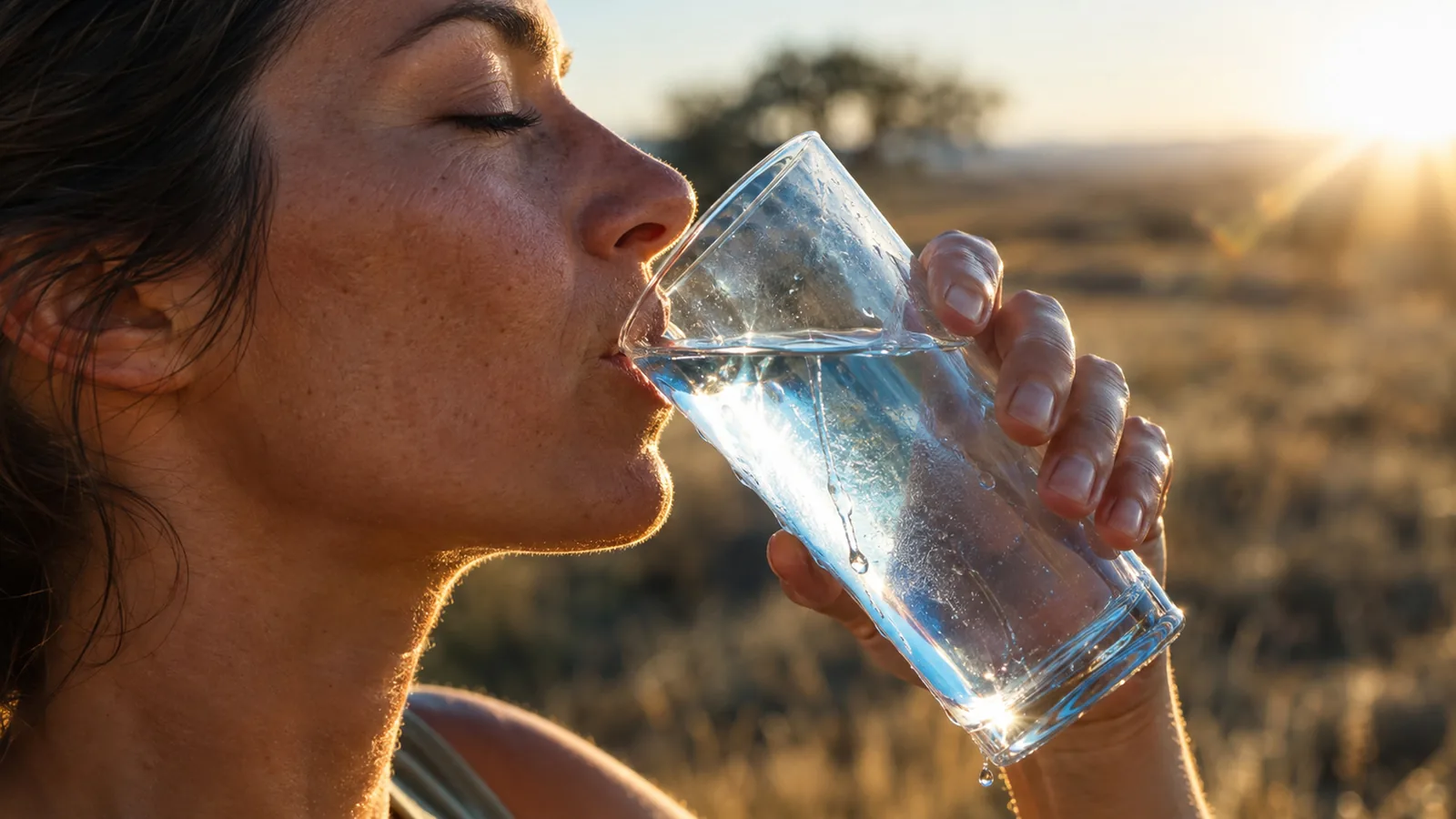
In July in Texas, everybody talks about hydration. Ranchers watch their stock tanks, coaches weigh their athletes, and everyone carries a water jug. So this month, let's talk about the most underrated fluid in your body — the one defending your teeth every minute of every day.
Saliva is not just "spit." It is a sophisticated protective system, and in over 26 years of practice I have watched what happens to a mouth when it goes missing. It isn't subtle.
What your saliva is actually doing
The scientific literature on saliva is extensive, and the picture it paints is of a fluid doing at least four jobs at once (Dawes, 2008):
It buffers acid. Every time you eat or drink something sugary or acidic, the pH at your tooth surfaces drops toward the danger zone we discussed in June. Saliva's buffering systems push the pH back up toward neutral. It washes and clears. Salivary flow physically carries away food debris, sugars, and acids — the mouth's rinse cycle. It rebuilds enamel. Saliva is supersaturated with calcium and phosphate, the very minerals enamel is made of. Early, microscopic acid damage can actually remineralize — if saliva gets enough recovery time between acid challenges. It defends. Saliva carries antimicrobial proteins that help keep the oral bacterial population in check.
No product I can prescribe does all four of those jobs. You manufacture the best dental defense on the market, free, around the clock.
Flow is not constant — and that matters
One of the most clinically important facts in salivary research is that flow varies dramatically across the day. Stimulated saliva — the flow you get while chewing — is produced at several times the resting rate, and resting flow drops to nearly nothing during sleep (Dawes, 2008).
Two practical consequences follow directly. First, chewing is protective: chewing sugar-free gum after meals stimulates salivary flow when your teeth need the buffering most. Second, nighttime is the danger window: with salivary flow near zero, anything on your teeth when you fall asleep stays there, essentially undefended, until morning. That is the evidence-based reason behind two rules you've heard from us for years — brush right before bed, and after that brushing, nothing but water.
When the bodyguard goes missing: dry mouth
Chronic dry mouth — xerostomia — is one of the most destructive conditions I see, and one of the most overlooked. The most common culprit is medication. Hundreds of commonly prescribed drugs list dry mouth as a side effect — including many taken for blood pressure, allergies, depression, anxiety, and overactive bladder — and the risk compounds as prescriptions stack up, which is why dry mouth so often arrives in a patient's 50s and 60s alongside the third and fourth prescription.
When saliva declines, the entire defensive system declines with it: less buffering, less clearance, less remineralization. Decay can then move with startling speed, often along the gumline and root surfaces. I have seen patients who went decades without a cavity develop six in a year after a medication change — same brushing, same diet, different saliva.
Important: never stop a medication on your own. Tell us what you take, and tell your physician about dry mouth. There are usually ways to manage both conditions together.
Training your defense — the Dental Fitness® way
You can't buy better saliva, but you can work with it. Drink plain water through the day — a dry mouth defends nothing, and water is the one drink that asks nothing of your enamel in return. Chew sugar-free gum after meals to turn on stimulated flow. Give your saliva recovery windows by clustering food and drink into meals rather than grazing (August's post is entirely about this). Guard the overnight hours: brush with a fluoride toothpaste last thing, then water only. And if your mouth feels dry, sticky, or burning — or you're waking at night to drink water — tell us. In a non-fluoridated town like Cisco, a failing saliva defense needs to be caught early, because there's less backup behind it.
Your bodyguard works every day of your life without a single day off. This July, return the favor.
Dr. Jarred Donald practices at Cisco Dental Associates in Cisco, Texas, and is the originator of the Dental Fitness® framework.
References
- Dawes C. Salivary flow patterns and the health of hard and soft oral tissues. J Am Dent Assoc. 2008;139(Suppl 2):18S–24S.
- Sreebny LM, Schwartz SS. A reference guide to drugs and dry mouth — 2nd edition. Gerodontology. 1997;14(1):33–47.
Educational content only, and not a substitute for in-office clinical evaluation.